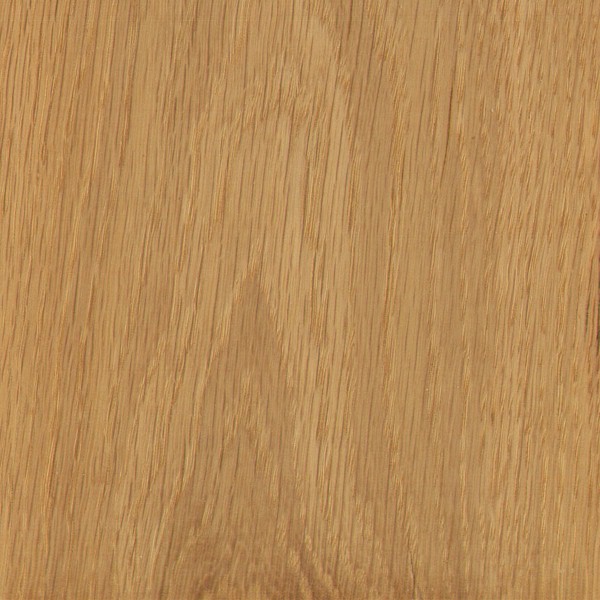
White Oak
How the Wood Scale Works
The scale above displays the measured values for this species of wood compared to Oak – a wood species most people are familiar with.
The red line shows the value for this wood, while the tan line represents the baseline value for Oak.
Common Names:
White Oak
Scientific Names:
Quercus alba
Why we use for Bokken:
Your everyday oak make decent bokken. Not recommended for hard combat training.
Appearance:
Has a light to medium brown color, though there can be a fair amount of variation in color. Red Oak tends to be slightly redder, but is by no means a reliable method of determining the type of oak.
Grain:
Has medium-to-large pores and a fairly coarse grain.
Durability:
Good rot resistance: frequently used in boat-building applications.
Scent:
Has a tell-tale smell that is common to most oaks. Most find it appealing.
Safety:
Although severe reactions are quite uncommon, oak has been reported as a sensitizer. Usually most common reactions simply include eye and skin irritation. See the articles Wood Allergies and Toxicity and Wood Dust Safety for more information.
Availability:
Slightly more expensive than Red Oak, White Oak is in good/sustainable supply and is moderately priced. Thicker 8/4 planks, or quartersawn boards are slightly more expensive per board foot.
Other Comments:
White Oak, along with its brother Red Oak, are commonly used domestic lumber species. Hard, durable, and moderately priced, White Oak presents an exceptional value to woodworkers—which explains why it is so widely used in cabinet and furniture making.